Mastering Non-restrictive Clauses: Practical Guide with Examples

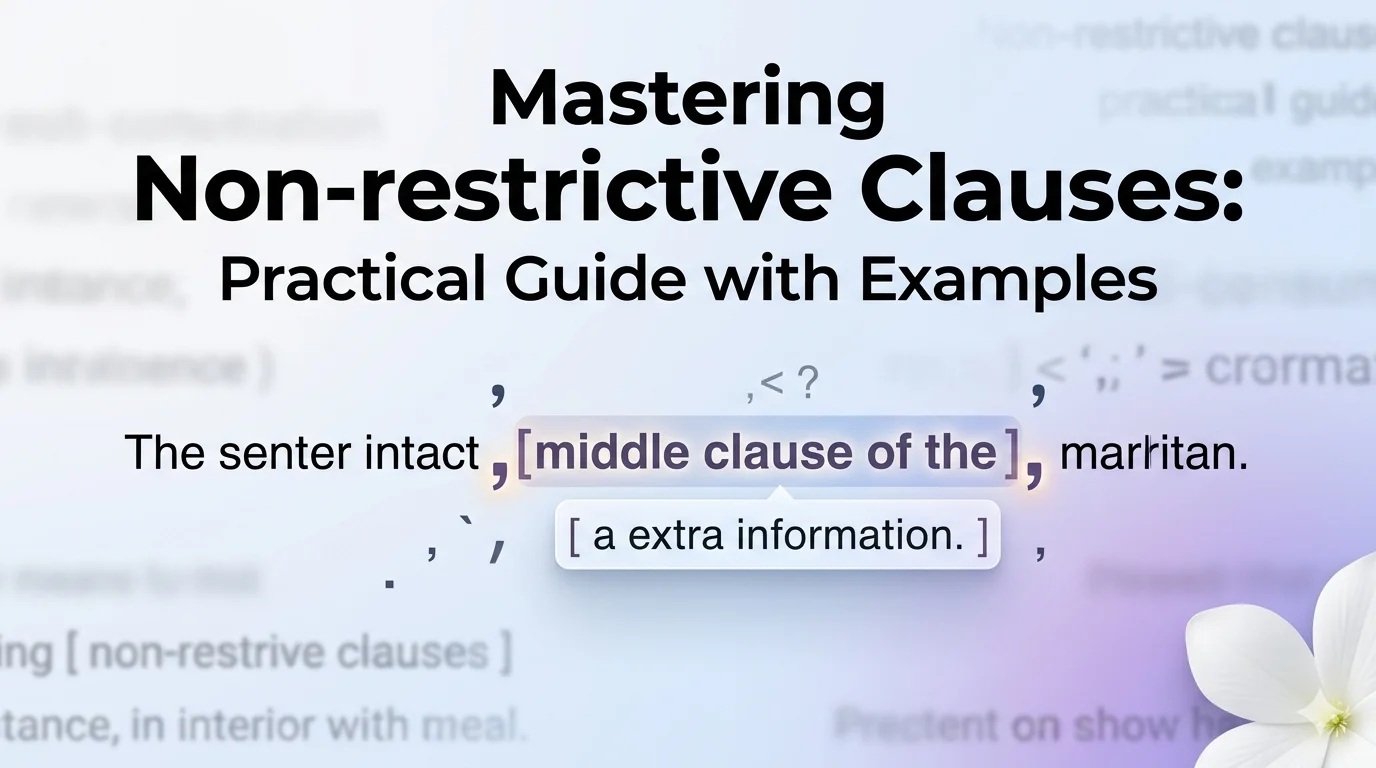
Mastering Non-restrictive Clauses: Practical Guide with Examples

A non-restrictive clause is a type of sentence element that adds extra information without changing the main point, improving clarity and style. These clauses, which often use who, which, or that, are set off by commas to indicate the information is optional rather than essential. For example, “my brother, who hates spiders, screamed” clearly separates … Read more

Insight vs Incite – Master the Difference and Use Them Correctly

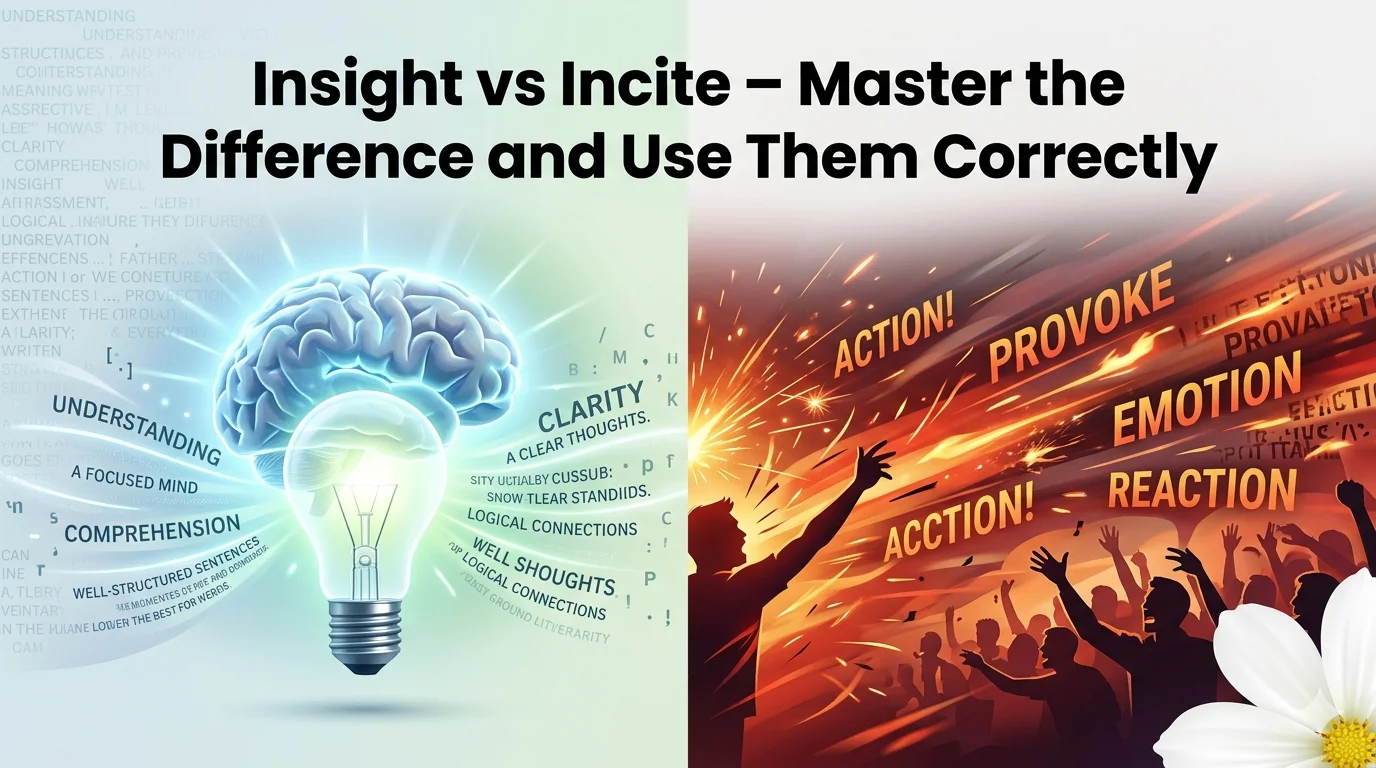
Insight vs Incite - Master the Difference and Use Them Correctly

When learning English, Insight vs. Incite often confuses learners because the words look alike yet differ in meaning, creating a subtle twist in usage. Insight represents deep understanding and clarity, allowing one to recognize patterns, connections, and meanings beneath the surface. Incite, in contrast, is about provoking action or stirring emotions, intentionally encouraging responses like … Read more

Unraveling Anastrophe: Mastering the Art of Inverted Word Order

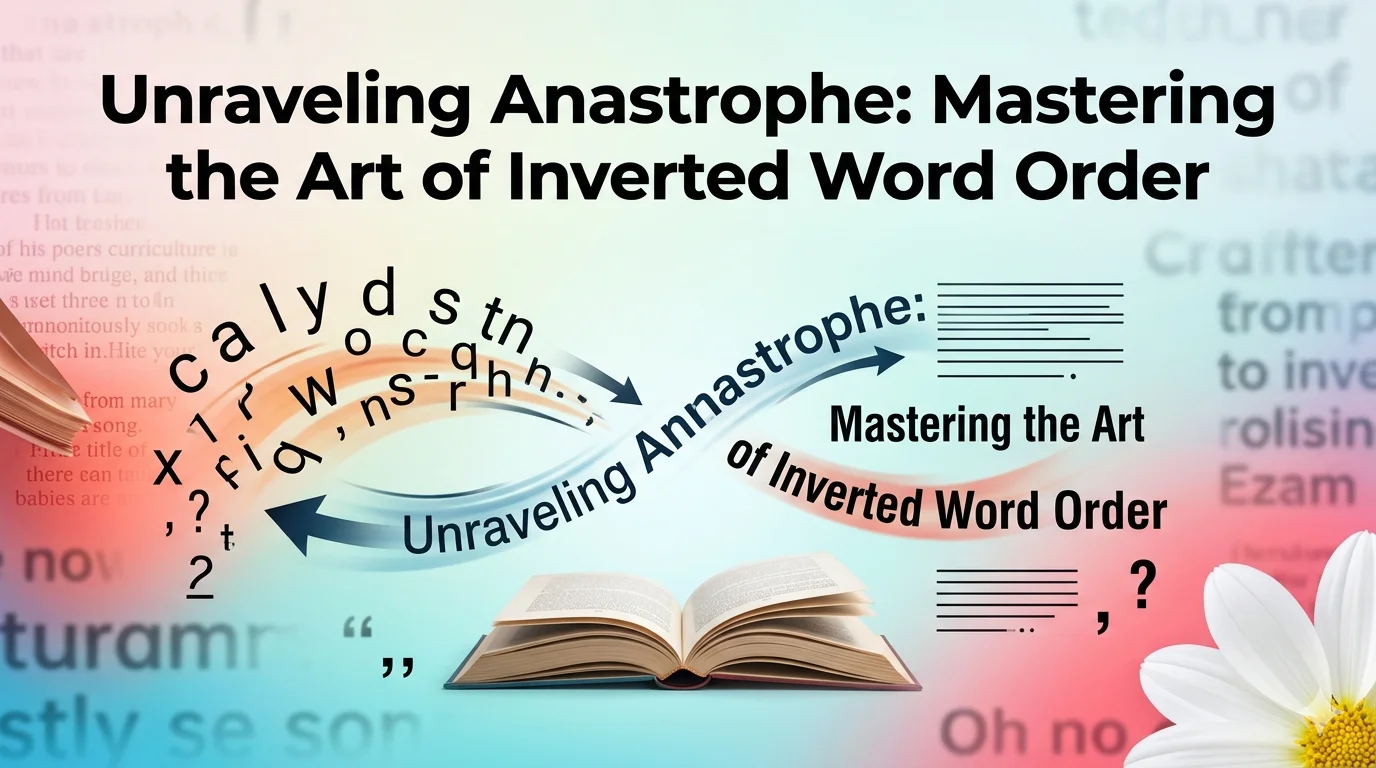
Unraveling Anastrophe: Mastering the Art of Inverted Word Order

Exploring Unraveling Anastrophe opens a door to the playful side of language artistry, as it rearranges words and sentence structure for impact. This literary technique changes the usual order, giving familiar phrases a fresh angle, creating a poetic and rhetorical effect that grabs attention and shifts perception, turning ordinary lines into memorable ones like Yoda’s … Read more

Is It Correct to Say “Thanks a Lot”? Meaning & When to Use

Is It Correct to Say “Thanks a Lot”? Meaning & When to Use

“Thanks a Lot?” is more than just a casual expression; it carries politeness, social awareness, and contextual nuance, whether in formal or casual settings, reflecting how tone, pause, or hesitation can change its meaning and ensure clarity in communication. Using thanks a lot may show genuine gratitude or a subtle sarcastic edge, which makes understanding … Read more